1. Safety talk
The team explains how to avoid sticks, what to do if someone is exposed and who should stay out of the area.
Glenwood, IA · Mills County
One needle usually means there could be more. In Glenwood, call (877) 812-4220 for a careful sweep of the property, safe collection of every sharp and cleaning of the surfaces they lay on.
If anyone is in danger, call 911 first. For a suicide crisis, call or text 988.
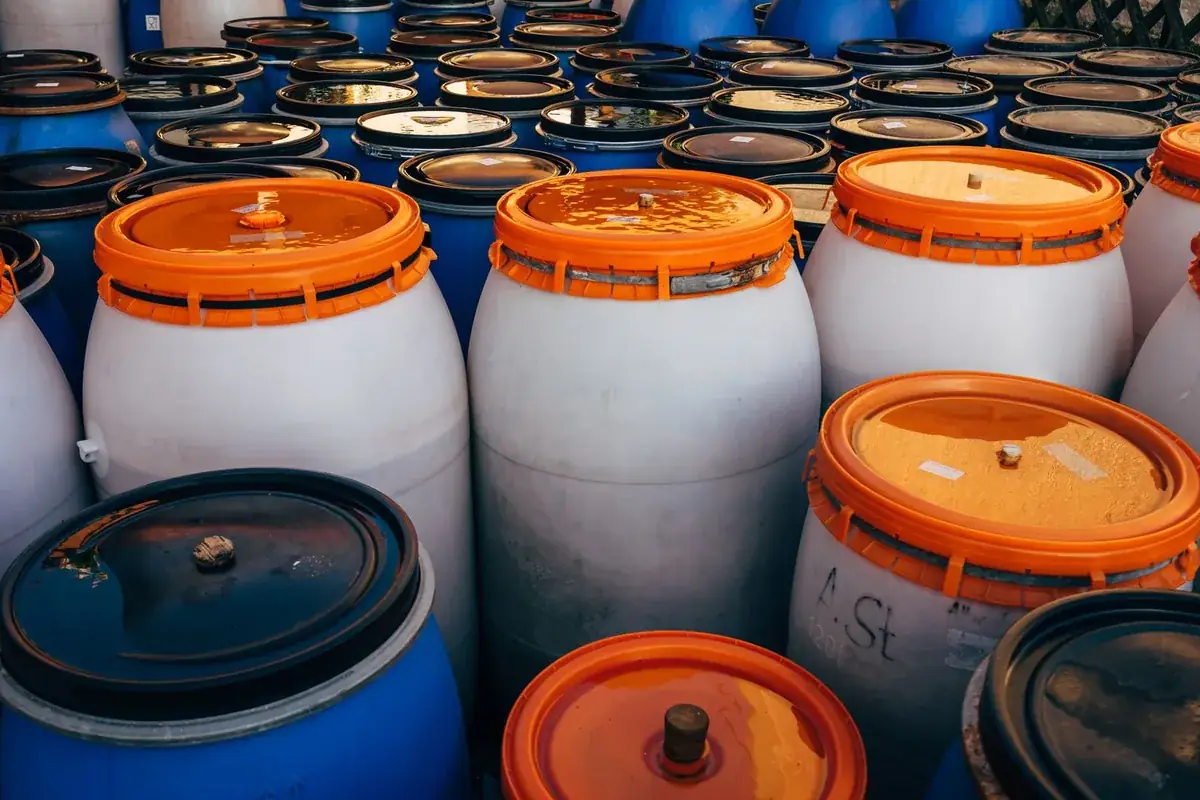
Needle and sharps cleanup is the safe search, collection and disposal of used needles, syringes, lancets and other sharp objects. Cleanup crews use tools instead of bare hands and seal each item in a puncture-resistant container.
If your school, church or small business in Glenwood finds needles outside, you can get calm, step-by-step cleanup from Glenwood Biohazard Cleanup Help. Crews search, collect and dispose of sharps across Mills County and explain what they found.
With a vacancy rate near 12% in Mills County, many owners check empty properties for sharps before repairs, sales or new tenants. After a needle stick, wash with soap and water and get medical care. CHI Health Mercy Council Bluffs in Council Bluffs is the closest emergency room to Glenwood.
A typical needle & sharps cleanup job includes:
The team explains how to avoid sticks, what to do if someone is exposed and who should stay out of the area.
Sharps are separated from other items so soft goods are not handled until the sweep is done.
Sharps are locked in secure containers marked for medical waste.
Containers go to a facility that treats medical waste, and the owner can ask for a record of what was found.
The cost of needle & sharps cleanup in Glenwood, IA depends on the amount of material, how it is packed and how it is hauled.
Disposal as regulated medical waste is part of the work, and treatment facilities charge by container or weight.
| Type of job | Typical range |
|---|
Estimates only, not a quote. Sources: . Price drivers include number of items, where they are found, whether a sweep of a large area is needed, waste disposal. Call (877) 812-4220 to talk through the job.
Wash the area with soap and water and get medical care right away. Call 911 in an emergency, or Poison Control with exposure questions. Tell the doctor what happened and where the needle was found, if you know. Do not wait to see whether symptoms appear.
A small yard or single room can be quick, while a building or large lot takes longer. Clutter, hidden spots and the amount of sharps affect the time. A cleanup team can give a realistic idea once it hears the details.
Stay back and keep children and pets away. Do not pick it up. Note where it is and call the local health department or a cleanup team. If anyone is stuck or cut, wash with soap and water, get medical care, and call 911 in an emergency.
Sometimes. Some homeowners and renters policies cover cleanup after a covered event, and many do not cover needles on their own. Call your insurance company before work starts, take photos from a safe spot, and keep every receipt. Check your policy rather than assuming.
Some cities and counties collect found needles from public land at no charge, and many do not. Availability varies. The local health department or public works office can say what exists where you live, and a cleanup team can help with private property.
Yes. A property owner can call a cleanup team to search a unit or building. Lease terms and local law decide who pays, and a landlord, an attorney or a tenant rights group can say. Ask the team for a record of what was found and removed.
One call can start a sweep for a yard, a rental or a whole building.
Call (877) 812-4220